


Whole Foods vs Calorie Counting: The Best Approach for Weight Loss
Updated: Jun 6, 2025
Weight loss is a common goal for many people, and the journey can be confusing with the abundance of conflicting advice available. One of the central debates in the world of dieting is the importance of whole foods vs calorie counting. Understanding the roles that whole foods and calorie management play in weight loss can help you make informed decisions for a healthier lifestyle.
Understanding Calories
Calories are a measure of energy. The basic principle of weight loss is that you need to consume fewer calories than you expend, creating a calorie deficit (4). This concept is often summarised by the phrase “calories in, calories out.” While this principle holds true to some extent, focusing solely on calories can be overly simplistic and may not address the quality of the diet (3).
What are Whole Foods?
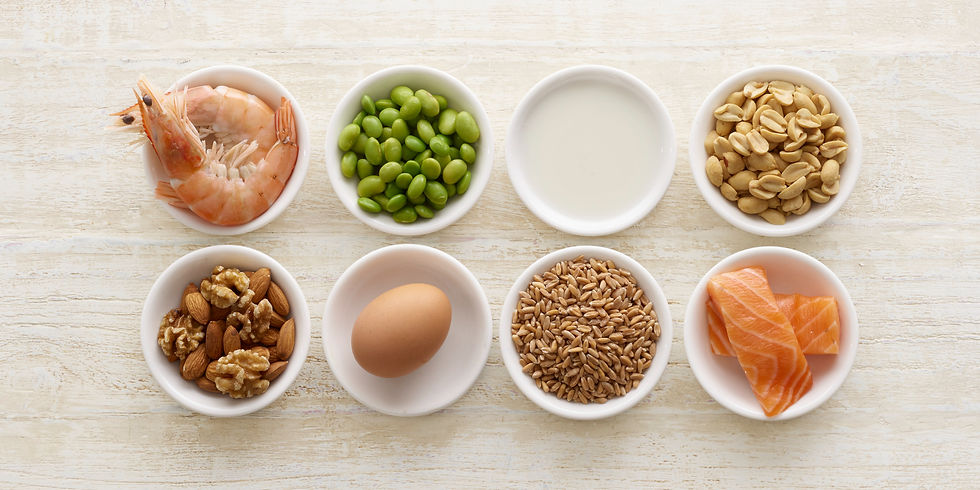
Whole foods are foods that are minimally processed and as close to their natural state as possible. Examples include fruits, vegetables, whole grains, nuts, seeds, and lean proteins. Whole foods are rich in essential nutrients such as vitamins, minerals, fibre, and antioxidants, which are vital for overall health and well-being (2).
The Superiority of Whole Foods
Nutrient Density
Whole foods are nutrient-dense, meaning they provide a high amount of nutrients for relatively few calories (1). This is crucial for weight loss because nutrient-dense foods help you feel full and satisfied while still maintaining a calorie deficit. For instance, an apple provides fibre, vitamins, and minerals, whereas a similar calorie amount of a sugary snack provides little more than sugar.
Satiety and Hunger Control
Whole foods, particularly those high in fibre and protein, help control hunger and keep you feeling fuller for longer. Fibre slows down digestion and helps regulate blood sugar levels, preventing spikes and crashes that can lead to cravings (2). Protein also promotes satiety and helps maintain muscle mass during weight loss, which is essential for a healthy metabolism.
Metabolic Health
Eating a diet rich in whole foods can improve metabolic health. Whole foods, such as fruits, vegetables, and whole grains, have been shown to reduce inflammation and improve insulin sensitivity. This is important for weight loss, as better insulin sensitivity can help your body use glucose more effectively, reducing fat storage (3).
Avoiding Empty Calories
Processed foods often contain "empty calories" – calories that provide little to no nutritional value (4). These foods can be high in added sugars, unhealthy fats, and sodium, which can contribute to weight gain and health issues. By focusing on whole foods, you reduce your intake of empty calories, making it easier to achieve and maintain a healthy weight.
The Role of Calorie Counting
While whole foods are crucial for a healthy diet, calorie counting can still play a role in weight loss. Understanding your calorie intake can help ensure you are not consuming more than your body needs (3). However, it is essential to balance calorie counting with the quality of the foods you eat.
Balanced Approach
A balanced approach involves paying attention to both the quantity and quality of calories. This means not just focusing on hitting a specific calorie target but also ensuring those calories come from nutrient-dense foods. For example, 500 calories from vegetables, lean protein, and whole grains will have a different impact on your body compared to 500 calories from processed snacks and sugary drinks (1).
Avoiding Over-Restriction
Calorie counting can sometimes lead to over-restriction, where individuals consume too few calories, potentially leading to nutrient deficiencies and a slowed metabolism. This can make weight loss harder in the long run (4). Whole foods can help prevent this issue by providing essential nutrients and promoting satiety, making it easier to stick to a healthy eating plan.
Practical Tips for Combining Whole Foods and Calorie Awareness;
Prioritise Whole Foods: Base your meals and snacks around whole foods. Fill your plate with a variety of colourful fruits and vegetables, lean proteins, whole grains, and healthy fats (2). This not only supports weight loss but also improves overall health.
Mindful Eating: Practise mindful eating by paying attention to hunger and fullness cues, eating slowly, and savouring your food. This can help prevent overeating and make it easier to listen to your body’s needs (3).
Plan and Prepare Meals: Planning and preparing meals in advance can help you make healthier choices and avoid the temptation of processed foods. Batch cooking and having healthy snacks on hand can make it easier to stick to your weight loss goals (1).
Monitor Portions: While focusing on whole foods, it’s still important to be mindful of portion sizes. Even healthy foods can contribute to weight gain if consumed in large quantities. Use smaller plates, measure portions, and listen to your body’s hunger signals (4).
Stay Hydrated: Drinking plenty of water is crucial for weight loss and overall health. Sometimes, thirst is mistaken for hunger, leading to unnecessary snacking. Aim to drink at least eight glasses of water a day, and more if you are physically active (2).
Conclusion on whole foods vs calorie counting
In the debate between whole foods vs calorie counting loss, it is clear that both play essential roles. Whole foods provide the necessary nutrients, satiety, and metabolic benefits that support healthy weight loss, while calorie awareness ensures you do not consume more energy than your body needs. By combining a focus on whole foods with mindful calorie management, you can achieve sustainable weight loss and improve your overall health.
If you are looking for help with managing your weight look no further. If you're ready to ditch the confusion and get a clear, evidence-based plan tailored to your goals, I’m here to help! With expert nutrition advice and personal training, you’ll get the guidance, support, and accountability you need to achieve real, lasting results.
Book your FREE discovery call today and take the first step towards a healthier, stronger you!
Disclaimer
The information on this blog is here to help and inspire, but it’s not meant to replace professional advice. Always check with a doctor before making any changes to your diet or lifestyle. The views shared are those of the author(s) and may not reflect those of any organisations involved. Rosy Nutrition & Personal Training can’t be held responsible for any outcomes from using this information.
References
British Nutrition Foundation (n.d.) Energy density. Available at: https://www.nutrition.org.uk/creating-a-healthy-diet/energy-density/ (Accessed: 3 April 2025).
Harvard T.H. Chan School of Public Health (n.d.) Vegetables and Fruits. Available at: https://nutritionsource.hsph.harvard.edu/what-should-you-eat/vegetables-and-fruits/ (Accessed: 3 April 2025).
Mayo Clinic (n.d.) Counting calories: Get back to weight-loss basics. Available at: https://www.mayoclinic.org/healthy-lifestyle/weight-loss/in-depth/calories/art-20048065 (Accessed: 3 April 2025).
NHS (n.d.) Calorie counting. Available at: https://www.nhs.uk/better-health/lose-weight/calorie-counting/ (Accessed: 3 April 2025).


Comments